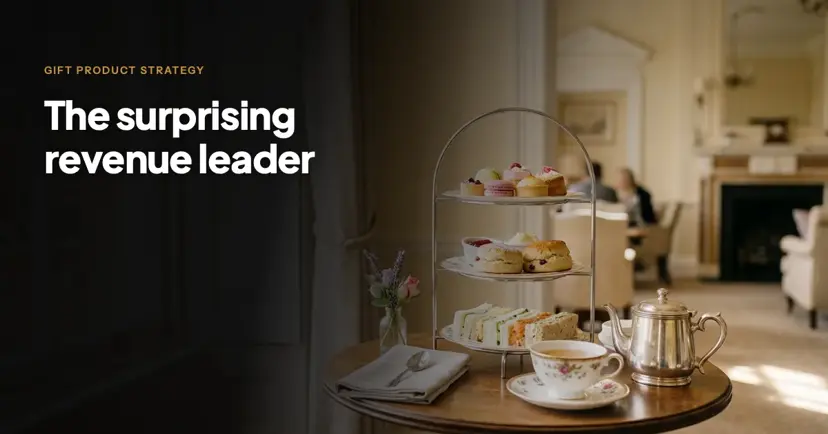

Walk through any good hotel and you will pass a dozen giftable moments before lunch. The spa treatment room. A chef's table few guests ever sit at. That suite with the view most people never see. All of it is sitting in an operational price list, described the way a booking system describes it, priced the way a menu prices it. None of it is built to be given.
That is the gap worth closing. With 76% of travellers now choosing hotels based on the experiences on offer (Hilton, 2024), the raw demand is already there. What most properties lack is the packaging that turns a service into a gift. These five steps take you from a list of things you sell to a shelf of things people want to give.
Step 1: Audit Your Property Against What People Actually Gift
Start with an inventory, not a brainstorm. List every service a guest can pay for: spa treatments, dining, activities, room categories, add-ons. Then score each one against a single question. Would someone buy this for another person as a gift?
Spa and dining almost always score highest, because they map cleanly onto occasions: a birthday treat, an anniversary dinner, a thank-you. Activities and stays follow. The point of the audit is to separate what you sell from what gives well, and those two lists overlap less than most teams assume.
Score each service on two axes and the shortlist writes itself. First, occasion fit: is there a natural reason someone would give this? Second, presentation potential: does it photograph and describe as a treat rather than a chore? A late checkout scores low on both. Put a candlelit tasting menu beside it and both axes light up. Anything that lands high on one axis and low on the other is a packaging problem to solve later, not a launch product. Your best gift products are hiding in your ordinary operations.
Step 2: Name the Experience for the Giver's Feeling
A name written for your PMS is a name that kills a gift. "Single Spa Treatment, 60 min" tells the giver nothing they want to feel. "One Moment for You" tells them exactly what they are handing over. Same treatment, same cost, completely different object.
The rule is simple. Operational names describe the transaction. Gift names describe the feeling. When you write for the person choosing a present, you write about the recipient's experience: the calm, the indulgence, the two hours that belong to no one else. Rename before you do anything else, because everything downstream inherits the frame you set here. A gift needs a name a person would say out loud.
Step 3: Build the Bundle Around One Anchor, One Upgrade, One Memory
A single service is a transaction. A bundle is a gift. The formula that works has three parts: an anchor experience, an upgrade that lifts it above the everyday, and a memory element the recipient keeps.
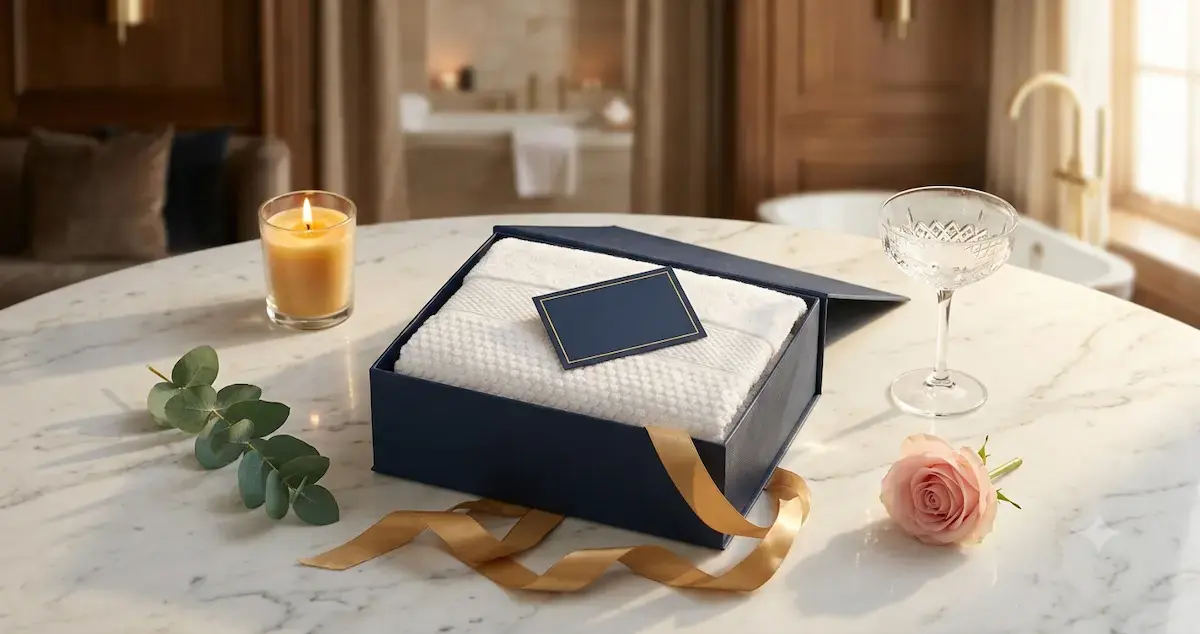
Your anchor is the core: the treatment, the tasting menu, the night away. On top of it sits the upgrade, whatever makes the gift feel generous, a glass of champagne on arrival, an extended treatment, a late checkout. Then comes the memory element, small and disproportionately powerful, a printed card, a signature product to take home, a photograph at the table.
Why the third element matters more than its cost suggests: it survives the experience. The treatment ends, the meal is cleared, but the little hand cream or the framed photo sits on a shelf and keeps reminding the recipient who gave it and where. That is free marketing running for months after redemption, sparked by an item that cost you a few dollars. Bundled this way, a spa afternoon stops being an appointment and becomes an occasion. Three elements, one story, and the price stops being the point.
Step 4: Present It Like a Gift, Because the Storefront Is the Wrapping
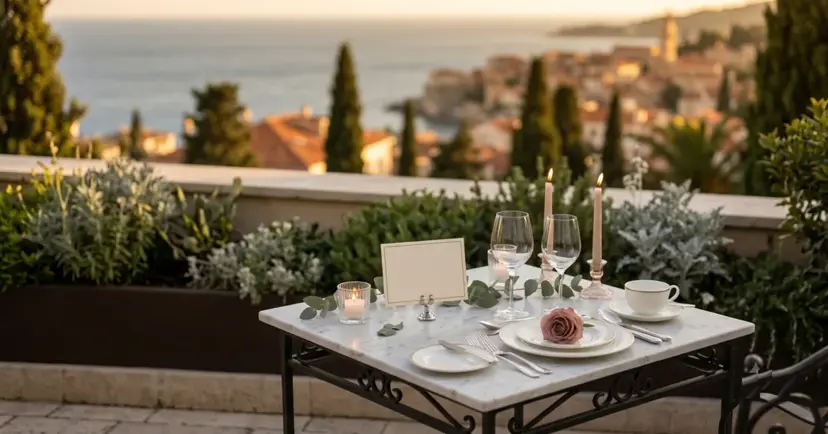
People buy the picture before they read the description. A gifting storefront that shows a clinical treatment-room shot and a paragraph of terms sells nothing. It reads as a booking form, and nobody wraps up a booking form. The photography has to do the emotional work: warm light, the moment mid-experience, a table set for two rather than an empty restaurant.
Presentation extends past the image. The layout should feel curated, a short shelf of desirable things, not an exhaustive menu that makes the buyer do the sorting. Give each product room to breathe, lead with the feeling, keep the operational detail beneath it for the buyer who wants to check. Write the description in the second person, to the recipient, so the giver can picture the moment they are handing over. This is where a purpose-built gifting platform like Ryse earns its place, because a storefront designed for gifting converts far better than a voucher bolted onto a booking engine. The wrapping does most of the selling, so treat it that way.
Step 5: Price the Whole Bundle as a Single Gift
Buyers do not add up the components of a gift. They read a single price and ask whether it feels right for the occasion and the person. That is why a well-built bundle can command more than its parts sold separately, and why round, generous numbers outperform odd ones that read like a deal.
Set the bundle price to sit cleanly at a gifting tier: a figure that signals thought and generosity, well clear of anything that reads as a discount. Anchor the value in the experience and the story, keep the line-by-line breakdown out of sight, and never publish the component maths beside the gift price, because the moment a buyer starts totting up parts, you have turned a present back into a transaction. Price the feeling, and the margin follows.
A Gift Shelf Is a Price List Someone Dressed for Giving
At the hotels that win, gifting revenue has little to do with how many services they run. It comes from taking what they already had and dressing it for someone else to give. The audit finds the products, the naming sets the frame, the bundle builds the story, the storefront does the wrapping, and the price protects the feeling. None of it requires new inventory. It requires seeing your own property through the eyes of a person shopping for a present.
Look at your gifting page tonight and ask one question of every product on it: would you be proud to hand this to someone you love? If the answer is no, you have found your first thing to fix.
Ready to build a gift shelf that converts? See how Ryse packages hotel experiences into products people actually give.